


UV direct-to-film (DTF) printing is quickly becoming a go-to solution for businesses that need vibrant, durable prints on various substrates without compromising on quality or efficiency. This technology offers a cost-effective way for printing professionals and small business owners to expand their capabilities, enabling high-resolution designs that can be applied to hard-to-print surfaces.
Mastering UV DTF printing can streamline workflows and open up new possibilities for a wide range of products. In this guide, we’ll explore how UV DTF printing works, its key benefits and how to leverage it for your business.
What Is UV DTF Printing?
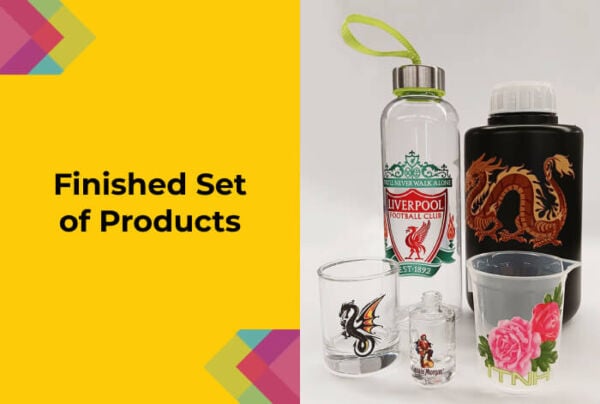
UV DTF flatbed printing merges the precision of UV printing with the adaptability of direct-to-film technology. Instead of printing directly onto a substrate, the design is printed onto a temporary adhesive film, which is then transferred onto surfaces that are typically challenging for traditional methods—such as curved water bottles, trays with recessed areas and glassware. This makes UV DTF an ideal solution for printing on irregularly shaped or fragile items.
Unlike conventional methods, which often require specialized equipment for such tasks, UV DTF offers a cost-effective way to produce high-resolution, scratch-resistant designs using your existing UV flatbed printer. The process is highly versatile, allowing multiple designs to be printed on a single film and easily transferred to different objects, maximizing both efficiency and flexibility in production.
How Does UV DTF Printing Work?
UV DTF printing is a straightforward process that boosts efficiency while maintaining print quality. Here’s a step-by-step breakdown of how the process works:
1. Print Your Prepared Design on Film
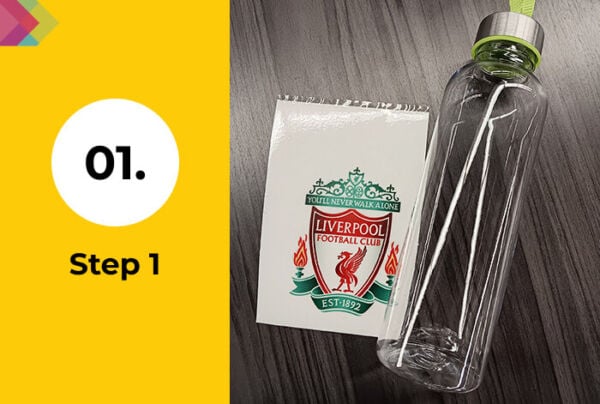
Using your preferred design software, such as Photoshop, Illustrator or even Canva, create your artwork just as you would for any UV print. Be mindful of the white and clear gloss layers, as UV DTF printing often involves these additional ink layers.
Load the adhesive film onto your UV flatbed printer. This film will act as a carrier for the ink. The printer will deposit your design directly onto the film, and white ink can be used behind colors to maintain opacity on transparent or dark surfaces.
2. Apply Adhesive
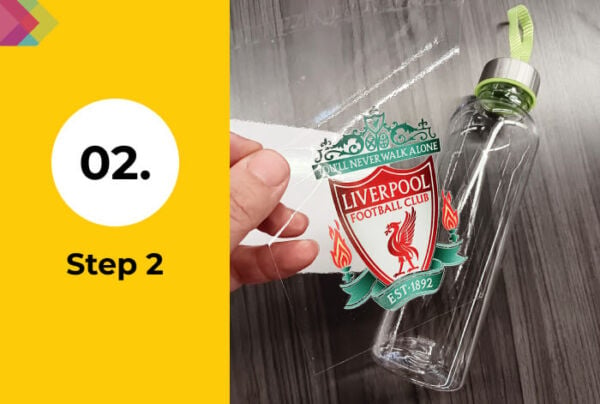
The printed film is then laminated to ensure that the ink is protected and ready for transfer.
The adhesive on the film ensures that the ink adheres to the final product. Careful handling is important here to avoid misalignment, as once the film is applied, repositioning is not possible.
3. Peel & Cure
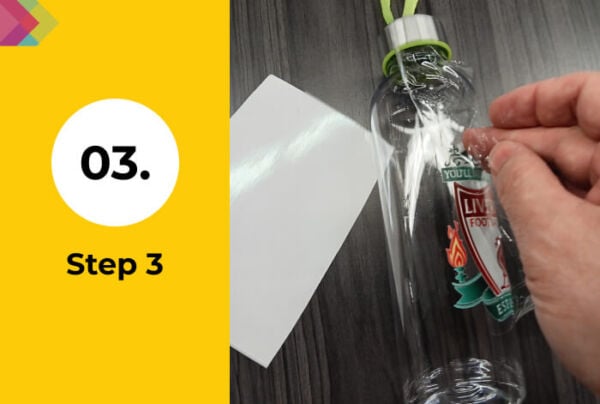
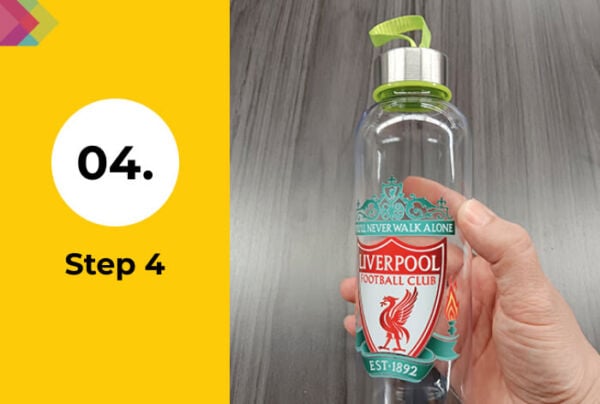
After laminating, peel the top film layer away, leaving only the ink and adhesive on the substrate. Apply heavy pressure on the material, ensuring that the design adheres seamlessly.
6. Check for Quality Assurance
Inspect the transferred image for any defects, ensuring that the print is clean, accurate and durable.
Advantages of UV DTF Printing
UV DTF printing offers several advantages that make it stand out from other printing technologies. Here are the key benefits you can expect:
- High resolution and accurate images: UV DTF technology enables fine detail, sharp lines and vivid colors, making it ideal for intricate designs.
- Durability: UV-cured inks are known for their resistance to fading, scratching and washing, making this technology perfect for high-wear items like water bottles, glassware and even automotive parts.
- Eco-friendly: UV DTF printing uses less energy and produces minimal waste compared to traditional printing methods, making it a more sustainable option for businesses conscious of their environmental footprint.
- Versatility: This method allows printing on a wide range of substrates, including curved or uneven surfaces, without the need for dedicated machinery. Products such as drinkware, metal trays and complex shapes like coolers can be printed with ease.
How to Prepare Artwork for UV DTF Printing
When it comes to preparing artwork for UV DTF flatbed printing, the setup is fairly similar to traditional UV printing. However, some considerations will help you achieve optimal results:
- Optimize design software settings: You can use industry-standard design software like Photoshop, Illustrator or Canva. The key difference lies in including layers for white ink and clear gloss varnish, which are often used in UV DTF applications.
- Use RIP software: RIP (Raster Image Processing) software is essential in controlling your print settings and ensuring the best possible output. Programs like RasterLink help manage sophisticated designs with multiple layers, such as those using white and clear gloss.
- Choke the white layer: One common mistake is not ‘choking’ the white layer, which means shrinking it slightly to prevent white ink from showing at the edges of your design. This is especially important when printing onto clear or dark substrates.
By following these tips, you can ensure that your artwork is ready for successful UV DTF printing, minimizing errors and ensuring a professional result.
Industry Applications
UV DTF printing opens up a world of possibilities across multiple industries, particularly where traditional printing methods fall short. Its ability to print on hard-to-reach or irregular surfaces makes it indispensable in various sectors. Here’s a look at a few use cases.
Promotional Products
UV DTF is a game-changer for creating custom-branded items like drinkware, coolers and sports equipment. The flexibility to print detailed logos or designs on curved surfaces enhances the appeal of these products. |
Home Décor and Signage
For decorative items like glassware, trays or even mirrors, UV DTF printing enables high-quality, durable designs that add a personal touch. Signage is another area where UV DTF thrives, allowing businesses to create vibrant, durable signs on glass, metal and other hard substrates. |
Automotive and Electronics
Companies in the automotive and electronics sectors can use UV DTF printing to apply custom designs or branding to parts with complex shapes or challenging surfaces. Its durability also makes it ideal for items that need to withstand regular handling or environmental wear. |
Event Merchandise
UV DTF’s versatility makes it perfect for event organizers looking to offer personalized merchandise on the spot. Event attendees can choose from a variety of pre-printed designs on temporary film, which are then applied to items like drinkware or accessories onsite. |
Cost-Effectiveness of UV DTF Printing
While UV DTF printing does involve some additional materials, such as adhesive film and laminating processes, it is highly cost-effective when considering the scope of what it enables businesses to do. Let’s break down the key cost-saving benefits:
- Lower upfront investment: Compared to purchasing specialized equipment like cylindrical or recessed surface printers, UV DTF offers a much more affordable solution. Businesses can utilize their existing UV flatbed printers to expand their product offerings with minimal extra investment.
- Efficiency in production: UV DTF allows you to print multiple designs on a single sheet of film, increasing efficiency and reducing wasted materials. This is especially useful when producing smaller batches of products or one-off custom items.
- Reduced waste: By eliminating the need for expensive direct-to-substrate equipment and minimizing failed prints, UV DTF helps businesses reduce operational costs while maintaining high-quality output.
Though the additional cost of the film and laminating steps might initially seem like a drawback, the ability to print on a wide range of products makes UV DTF a highly valuable investment for businesses seeking to diversify their product lines without breaking the bank.
Future Trends in UV DTF Printing
As the UV DTF printing market continues to grow, several exciting trends are emerging that will shape the future of this technology.
Speed and Automation
One of the most anticipated developments is the introduction of roll-to-roll UV DTF printers. These machines automate the process of applying film and transferring prints, streamlining production and increasing throughput.
Expanded Substrate Options
UV DTF is already known for its versatility, but improvements in technology are expected to allow for even more substrates, including new materials that can handle both heat and cold while maintaining print integrity.
Eco-Friendly Inks
The push for sustainability continues, with advancements in UV-curable inks that are more environmentally friendly. Businesses can look forward to greener printing options, further reducing the environmental impact of their operations.
Integration of AI and Machine Learning
As digital technology becomes more integrated into the printing industry, AI and machine learning could play a role in optimizing UV DTF processes. Automated quality control, predictive maintenance and real-time design adjustments are just a few possibilities on the horizon.
Maximize Your Printing Potential with UV DTF Technology & ITNH
Ready to reduce costs and expand your product offerings? UV DTF printing offers a practical solution for printing on challenging, in-demand items without the need for expensive equipment.
While you’re here, subscribe to our newsletter for more insights, view our range of DTF Printers or contact us to schedule a consultation and discover how UV DTF can transform your printing business.